
While they’re not whole grains, legumes have similar health benefits to whole grains—including reducing inflammation and disease risk, thanks to their fiber and antioxidants. They’re also a source of lean plant-based protein and a part of the Mediterranean diet. Yes, always inform your primary care provider of any major dietary changes or weight loss or gain. They may need to adjust your medications or other treatments, and it’s important for them to know you are making lifestyle changes. No foods are completely off limits when following a Mediterranean eating pattern, but the diet doesn’t include processed food — which is why Obeid recommends minimizing their frequency.
What Is the Mediterranean Diet? (With Meal Plan Ideas & Tips for Getting Started)

Most commercial and government insurances, including Medicare and Medicaid, cover medical nutrition therapy (MNT) for certain conditions, including diabetes and obesity. Obesity screening and counseling is covered if it is received in a primary care setting. Medicare recipients in rural areas may receive MNT through telehealth. Ask your doctor or other health care provider to recommend a nutrition expert.
What Are the Mediterranean Diet’s Health Benefits?
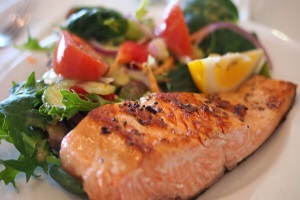
The Mediterranean diet is a well-researched way of eating that can help improve overall health. These are scientifically proven to reduce the risk of chronic conditions like heart disease. The Mediterranean diet has been linked to health benefits including longevity, improved heart health and reduced risk of chronic conditions. The dietary pattern doesn’t always match local flavors and food preferences, but researchers at the University of North Carolina are working to change that. The Mediterranean diet has consistently been rated as the top overall diet for health, per U.S. Unlike many other diets, it’s not restrictive, nor does it cut out whole food groups.
What foods are not allowed on the Mediterranean diet?
Instead, it provides a guideline of what to include in your meals and snacks—especially whole foods, like fruits, vegetables, whole grains, legumes, fish, nuts, seeds, cheese, fermented dairy, eggs and, if you drink, a small amount of red wine. You don’t have to completely switch over to this eating pattern all at once. Pick one or two foods or food groups to start incorporating more of and once that’s become a habit, start adding more unimeal trustpilot of others. Like plant-based oils and avocados, nuts are high in poly- and monounsaturated fats, which is the type that can benefit your heart health. Fat, protein and fiber are the perfect trio for staying full, keeping blood sugar stable, lowering cholesterol and reducing inflammation. To incorporate more into your day, try snacking on a quarter-cup of nuts between lunch and dinner.
What are the health benefits?
For instance, there’s an emphasis on healthy fats — olive oil in particular, but also nuts and avocados, all of which are heart-healthy. But they’re also high in calories, so it’s important to watch portions. Same goes for red wine, which is allowed — in moderation — on the Mediterranean plan despite growing evidence that drinking even a little alcohol carries health risks, especially for older adults. Up to a glass of wine at dinner is given a green light on the Mediterranean plan. Saturated and trans fats can raise LDL (“bad”) cholesterol if eaten in excess over time. Swap butter most of the time for heart-healthy fats like plant-based oils high in unsaturated fat to help lower your cholesterol and improve your heart health.
What Challenges Does Following the Mediterranean Diet Present?
- The emphasis is on “small amount.” That’s 5 ounces (or less) per day for women and 10 ounces (or less) per day for men.
- She has Master’s in Nutrition Communication from the Tufts Friedman School of Nutrition Science and Policy and completed her dietetics training at Massachusetts General Hospital, a Harvard teaching hospital.
- Provide patient-centered care to understand where clients are starting on their journey.
- Look for a registered dietitian or registered dietitian nutritionist (RDN).
- “It is also important to minimize the amount of processed foods during the week.”
- Evidence also suggests it may also improve cognition among older adults.
You can also work with a registered dietitian or a certified nutritionist or talk with your doctor or other primary health care provider about starting this eating plan. “Be unimeal-review.com/trustpilot/ mindful of how much processed food you are eating during the week,” says Obeid. The Mediterranean diet emphasizes 7 to 10 servings of fruits and vegetables each day. But even averaging 5 servings per day has been shown to reduce the risk of dying early, including from cardiovascular disease, cancer and respiratory disease, per a 2021 study in Circulation.
Skip the Added Sugar (Most of the Time)
In the years since the Seven Countries Study, subsequent research has shown a significantly decreased risk for cardiovascular disease among people who follow the Mediterranean diet. A review of 185 studies, many completed within the past decade, published in 2022 in the journal Nutrients also found health benefits for lowering the risk of type 2 diabetes, obesity and cancer. As the researchers began investigating the potential reasons, most, if not all, arrows pointed to diet. People living in the Mediterranean countries didn’t eat exactly the same foods, but they did all eat, for the most part, a plant-based diet. And that diet seemed to have a protective effect on heart health and longevity.
Heart-Healthy BBQ with Veggies and Rice
White fish and shellfish are also good lean protein sources but aren’t quite as high in omega-3s. Obeid adds that the Mediterranean lifestyle promotes eating fruits and nuts as snacks and to satisfy your sweet tooth, as well as including non-starchy vegetables with your meals every single day. In addition, in an evidence-based analysis of 10 popular eating patterns, the American Heart Association gave the Mediterranean diet some of its highest marks. Only the DASH (Dietary Approaches to Stop Hypertension) diet received a better score. Research suggests that following the Mediterranean plan is good not only for weight loss, but for weight-loss maintenance. One study found that people who stayed committed to the Mediterranean way of eating during the post-dieting period had a twofold increased likelihood of maintaining their weight loss.
Fish
Frozen and canned are also great options to make them more cost-effective and to help them last a lot longer—just make sure to check that there is minimal-to-no added sodium, added sugar or added fat. Here, we give you a blueprint to follow the Mediterranean diet along with tips to make small, sustainable changes to what you’re already eating to help it better align with your goals. Get a quick how-to, a shopping list and meal guidance for beginning this ultra-healthy and highly-customizable way of eating.
What foods are not part of the Mediterranean diet?
It’s also tied as the best diet for bone and joint health and the best family-friendly diet. Discover some truths about those extra pounds and six effective weight-loss strategies to start today. The Mediterranean diet is always turning up in the top spot on “best diets” lists — and it’s easy to see why. Instead of relying on the salt shaker, buy a variety of these to spice up your meals. Fresh herbs are delicious but dry work too, just cut back on the amount to get a similar flavor since they are typically more potent. Instead of making meat the centerpiece of each meal, build more menus around grains, beans, fruits and veggies.